Bubby Hand: A Playful Font for Digital Branding
While working on a boutique online store redesign, I was tasked with creating a fresh, engaging brand identity that felt both modern and approachable. The client wanted to appeal to parents and kids alike, so the design needed to balance creativity with clarity. As I explored various typefaces, I came across Bubby Hand—a display font that immediately caught my eye with its bubbly charm and playful personality.
A Bold Choice for a Kid-Friendly Brand
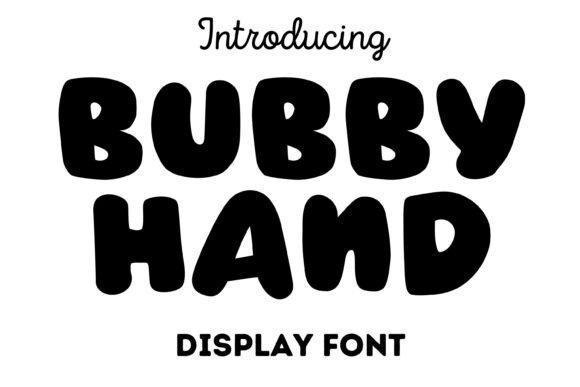
Bubby Hand is a decorative display font that brings a sense of fun and whimsy to any design. Its rounded, hand-drawn strokes give it a friendly, almost cartoonish feel, making it perfect for projects targeting younger audiences or those looking to inject some lightheartedness into their digital presence. I tested it in the hero section of the boutique site, where it worked beautifully over a colorful image banner. The font’s boldness made the headline pop without overwhelming the user.
One of the first things I noticed was how well Bubby Hand handled different text lengths. When used for short phrases like “Shop Now” or “Kids’ Collection,” it added visual interest while maintaining readability. However, I also considered its use in longer copy and found that it could be limiting when used for body text. That’s why I decided to pair it with a clean sans-serif font for the main content, ensuring a balanced typographic hierarchy.
Testing Readability Across Devices
As part of the redesign process, I made sure to test Bubby Hand on multiple devices and screen sizes. On mobile, I found that the font remained legible even at smaller sizes, which is crucial for responsive layouts. However, I did notice that on very small buttons or dark backgrounds, the contrast could be an issue. To address this, I adjusted the background color slightly and increased the letter spacing to improve visibility.
I also experimented with using Bubby Hand as a decorative accent in headers and call-to-action sections. It worked exceptionally well for headlines and banners, especially when placed over images. But I avoided using it for too many elements, as overuse could dilute its impact and create visual clutter.
Font Pairing and Design Consistency
When pairing Bubby Hand with other fonts, I focused on creating a cohesive visual language. For the main body text, I chose a simple sans-serif font like Montserrat, which provided a strong contrast while maintaining readability. This combination allowed the playful nature of Bubby Hand to shine without overshadowing the rest of the design.
I also considered how Bubby Hand could fit into a broader brand identity. For example, on a coaching website, it might work well for a logo or header, but would likely be less suitable for long-form content. On the other hand, a creative portfolio site could benefit from using Bubby Hand in headers and social media graphics, reinforcing a more casual and artistic vibe.
Practical Use Cases for Bubby Hand
- Hero Sections: Bubby Hand adds a bold, attention-grabbing element to hero headings and banners.
- Landing Pages: It works well for short, impactful calls to action and promotional messages.
- Online Shop Banners: Its playful style makes it ideal for product highlights and special offers.
- Blog Headers: It can add a unique touch to blog titles and featured posts.
- Course Sales Pages: Used sparingly, it can enhance the visual appeal of course titles and promotions.
- Portfolio Sites: It’s great for branding elements like logos and project titles.
- Brand Kits: It can be a versatile addition to a digital brand kit, offering flexibility in design assets.
Each of these applications requires careful consideration of context and purpose. While Bubby Hand is a powerful tool, it’s important to use it intentionally to maintain design consistency and user experience.
Key Considerations Before Using Bubby Hand
Before incorporating Bubby Hand into a project, I always check the following:
- Webfont Availability: Ensure the font is available as a webfont for seamless integration into websites.
- File Formats: Confirm support for common formats like WOFF, WOFF2, and TTF.
- Alternate Weights: Check if the font includes alternate weights for versatility in design.
- Multilingual Support: Verify compatibility with the target language audience.
- Commercial Licensing: Make sure the font’s license allows for commercial use on websites and digital products.
These checks help ensure that the font performs well across different platforms and meets the needs of both the designer and the end user.
Final Thoughts on Bubby Hand
Bubby Hand is a great choice for designers looking to add a playful, kid-friendly aesthetic to their projects. Whether you're building a boutique store, a coaching website, or a creative portfolio, this font can enhance your design with its unique charm and visual appeal. Just remember to use it strategically, pairing it with readable body text and considering its performance on different devices and layouts.